(Reuters) -The U.S. Food and Drug Administration is probing the death of a patient who developed harmful antibodies after taking Takeda Pharmaceuticals' blood disorder therapy, the health regulator said on Friday.
The pediatric patient died about 10 months after starting Takeda's drug Adzynma as a preventive therapy, the agency said.
The child had congenital thrombotic thrombocytopenic purpura (cTTP), an inherited condition that causes blood clots in small vessels and can lead to organ damage.
The FDA said the child developed antibodies that blocked the activity of ADAMTS13, an enzyme critical for blood clotting.
Takeda did not immediately respond to Reuters request for comment.
Adzynma, approved in 2023 as the first therapy for cTTP, replaces the ADAMTS13 protein to help prevent dangerous blood clots.
The agency added it has received multiple postmarketing reports of patients developing neutralizing antibodies to ADAMTS13 after treatment with Adzynma.
(Reporting by Kamal Choudhury in Bengaluru; Editing by Vijay Kishore)
latest_posts
- 1
 Extravagance SUVs for Seniors: Solace, Innovation, and Security
 - 2Extraordinary Guinness World Records That Will Astound You
- 3The Best Traditional Music Arrangers in History
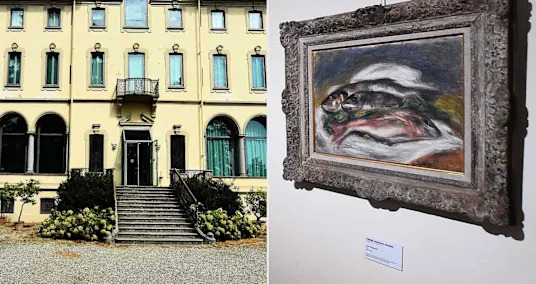
- 44 Masked Men Steal Renoir, Matisse and Cézanne Paintings Worth Over $10 Million in 3-Minute Heist
- 5Ergonomic Office Seats for Work spaces



- 'The Drama' plot twist, explained: What did Zendaya's character do, and what happens to her wedding?
- Dad issues urgent plea to find stem cell donor for his son
- The most effective method to Safeguard Your Teeth from Acidic Food varieties and Beverages
- Poland open to German troops to help secure Ukraine ceasefire
- Instructions to Redo Your Kona SUV for Improved Tasteful Allure and Usefulness
- First Phosphate advances battery-grade phosphate project as analysts highlight strategic Federal support
- Ten Awesome Authentic Realities That Will Leave You Interested
- The Benefits of Rehearsing Careful Nurturing
- Inside The Design-Forward Wellness Hotel Marking A New Chapter In Medellín