A massive dust storm, or haboob, swept across the Sahara Desert from western Algeria into Mauritania, Morocco, Western Sahara and the Canary Islands on March 30. The dust stretched for more than 1,000 miles.
As meteorologists observed the dust storm from space via weather satellites, social media users captured the incoming dust storm on camera. One video shows a thick wall of dust and sand moving toward a resident of the town of Tindouf, near the Mauritanian, Western Saharan and Moroccan borders.
How does the dust affect tropical storms in the Atlantic?
While this storm didn't make it too far off the coast, significant amounts of dust can drift westward from Africa across the Atlantic beginning in May. This can inhibit tropical storm formation, or the strengthening of an existing system, because the dusty air has about 50% less moisture than the typical tropical atmosphere.
Strong winds in the dust layer can also substantially increase the vertical wind shear in and around the storm environment, potentially disrupting any storm that forms.
latest_posts
- 1
 Instructions to Utilize Your Brain science Certification to Work on Corporate Culture
 - 2From School Dropout to Example of overcoming adversity: My Excursion
- 37 Delightful Ferris Wheels, Do You Like Them?
- 4Who is Adm. Frank 'Mitch' Bradley and what does he have to do with the Venezuela boat strikes?
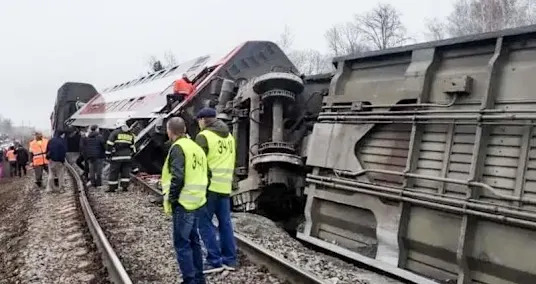
- 5At least 55 injured in Russia after train crashes, overturns


- More than 800 flights canceled as FAA cuts traffic at 40 major airports. Here's what to know.
- Tech for Wellbeing: Applications and Devices for a Better You
- Which Breakfast Enraptures Your Taste Buds? Vote
- Make Your Fantasy Closet: 10 Immortal Design Fundamentals
- Australia’s post-Bondi crackdown accused of targeting pro-Palestinian voices
- Rick Steves Prefers Paying A Bit Extra For This Delectable Food When Dining In Spain
- 'Wow!' The eye surgery marathon that restored sight for some South Africans
- How Skoda Lost Its Biggest Market In Just Seven Years
- Insane Realities That Will Make You Reconsider How you might interpret History